It’s that time of year again: the latest wine grape pricing data is in for Napa County and Sonoma County.
Each year, the California Department of Food and Agriculture releases the Preliminary Grape Crush Report, one of the wine industry’s most closely watched benchmarks. The report provides average prices paid for contracted grapes by varietal and district, along with the low and high end of reported pricing. It remains an important reference point for growers, wineries, brokers, and vineyard owners throughout California.
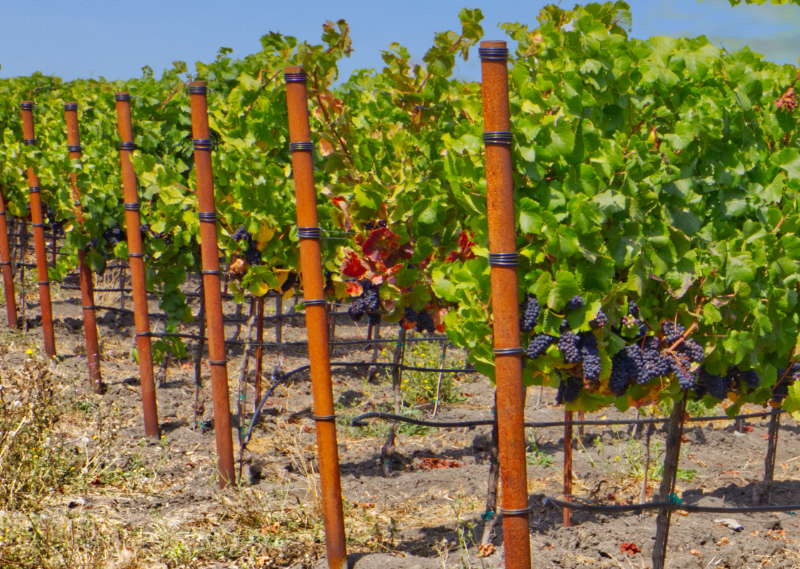
For many years, the Crush Report has served as a useful tool for grape purchase agreements, with contract pricing often tied to district averages and adjusted for vineyard quality, appellation, farming practices, and long-term relationships.
But this year’s report tells a different story than some may have hoped.
The 2025 takeaway: pricing is generally trending lower
Compared with the prior year, the 2025 Napa and Sonoma averages show a broad downward trend across most major varietals. A few categories posted modest gains, but the larger pattern is one of price pressure, especially in a market still working through supply-demand imbalance.
| County Average | Price Per Ton | | | | | |
| Napa County | | | | | | |
| 2025 | Trend | 2024 | 2023 | 2025 High | 2025 Low |
| Cabernet Sauvignon | $9,002 | - | $9,145 | $9,080 | $52,500 | $100 |
| Pinot Noir | $2,868 | - | $2,942 | $2,867 | $9,122 | $500 |
| Merlot | $4,826 | + | $4,746 | $4,721 | $33,567 | $100 |
| Zinfandel | $4,765 | + | $4,739 | $4,666 | $9,786 | $100 |
| Syrah | $4,771 | - | $5,191 | $5,018 | $9,680 | $100 |
| Chardonnay | $3,677 | - | $3,790 | $3,600 | $17,500 | $500 |
| Sauvignon Blanc | $3,137 | - | $3,265 | $3,165 | $12,062 | $17 |
| | | | | | |
| Sonoma County | | | | | | |
| 2025 | Trend | 2024 | 2023 | 2025 High | 2025 Low |
| Cabernet Sauvignon | $2,770 | - | $2,917 | $2,882 | $22,863 | $200 |
| Pinot Noir | $3,821 | - | $3,891 | $3,843 | $17,695 | $100 |
| Merlot | $2,146 | - | $2,196 | $2,156 | $22,863 | $400 |
| Zinfandel | $3,156 | - | $3,224 | $3,421 | $11,100 | $375 |
| Syrah | $3,187 | - | $3,342 | $3,289 | $8,000 | $500 |
| Chardonnay | $2,429 | - | $2,590 | $2,556 | $12,869 | $100 |
| Sauvignon Blanc | $1,903 | - | $2,025 | $2,034 | $13,397 | $200 |
*Source - Preliminary Grape Crush Report 2025, California Department of Food and Agriculture
The pattern is fairly clear:
-
Sonoma County was down across every major varietal shown
-
Napa County was down in most categories
-
Only Merlot and Zinfandel in Napa posted small year-over-year gains
-
Even premium categories such as Napa Cabernet Sauvignon showed softening versus 2024
That broader softness is consistent with wider market commentary showing continued pricing pressure in premium coastal districts, even as those districts remain the highest-value regions in the state.
What the averages show — and what they don’t
As always, the Crush Report is useful. But it is not the whole story.
The report reflects grapes that were actually sold and crushed, and much of that fruit may have been sold under pre-existing contracts rather than in the open market. That means the averages can still look relatively firm even while many growers are experiencing a much softer environment on the ground.
In practical terms, that means:
-
Contracted fruit can help support the averages
-
Spot-market fruit may trade at lower levels
-
Unsold fruit does not fully show up as “pricing pressure” in the way growers experience it in real time
So while the report remains a benchmark, it should be read alongside actual market conditions, buyer demand, contract renewals, and the increasing selectivity we’re seeing across many vineyard categories.
Why this matters for vineyard owners and buyers
For vineyard owners, the 2025 data reinforces the importance of being realistic about income assumptions and grape revenue projections. Historic pricing — even from just a year or two ago — may no longer reflect today’s market with the same confidence.
For buyers, however, softer grape economics can create opportunities.
Periods like this often reveal a wider spread between:
-
best-in-class vineyards with enduring demand
-
and
-
properties that need sharper pricing, repositioning, or a different go-forward strategy
That distinction matters more than ever.
The strongest vineyard assets — location, varietal, farming quality, appellation relevance, water security, and winery alignment — will continue to separate themselves from the broader market. Meanwhile, weaker or less competitive vineyard positions may face longer-term pricing pressure until supply and demand find better balance.
The Bottom Line
The 2025 Grape Crush Report confirms what many in the market already suspected: wine grape pricing in Napa and Sonoma is generally moving lower, not higher.
That does not mean every vineyard or every submarket is in trouble. But it does mean this is a market that deserves careful interpretation, realistic underwriting, and a clear-eyed understanding of where demand remains strongest.
The Crush Report is still a valuable benchmark.
It just needs to be read for what it is: a pricing reference, not a complete market diagnosis.
And in today’s environment, that distinction matters.
Cheers!
Some additional articles that might be helpful:
The (Not So) Great Wine Country Reset
Top Pinot Noir Vineyard Sites in Sonoma County
Going Coastal In Sonoma County
Real Estate, Wine and A Little Bit of Charm 2025
Exploring the Cote d Or in Burgundy
What is a vineyard really worth? It depends.
Looking to Buy A Winery, Start Here
Which AVA came first?
If you are serious about your wine country search, please contact us today. Last but least, here is link to more local resources.

